CUSTOMERS & FIELD DEPLOYMENTS

Systems Operating Across Physical Terrain & Institutional Delivery

Examine how Praksis architectures perform in live apiary production, alpine race telemetry, institutional web engineering, and open clinical knowledge portals—complete with honest scope boundaries.

Transparency Note: Every deployment story states its live URL, verified telemetry metrics, and exact commercial availability without fabricated testimonials or inflated scale claims.

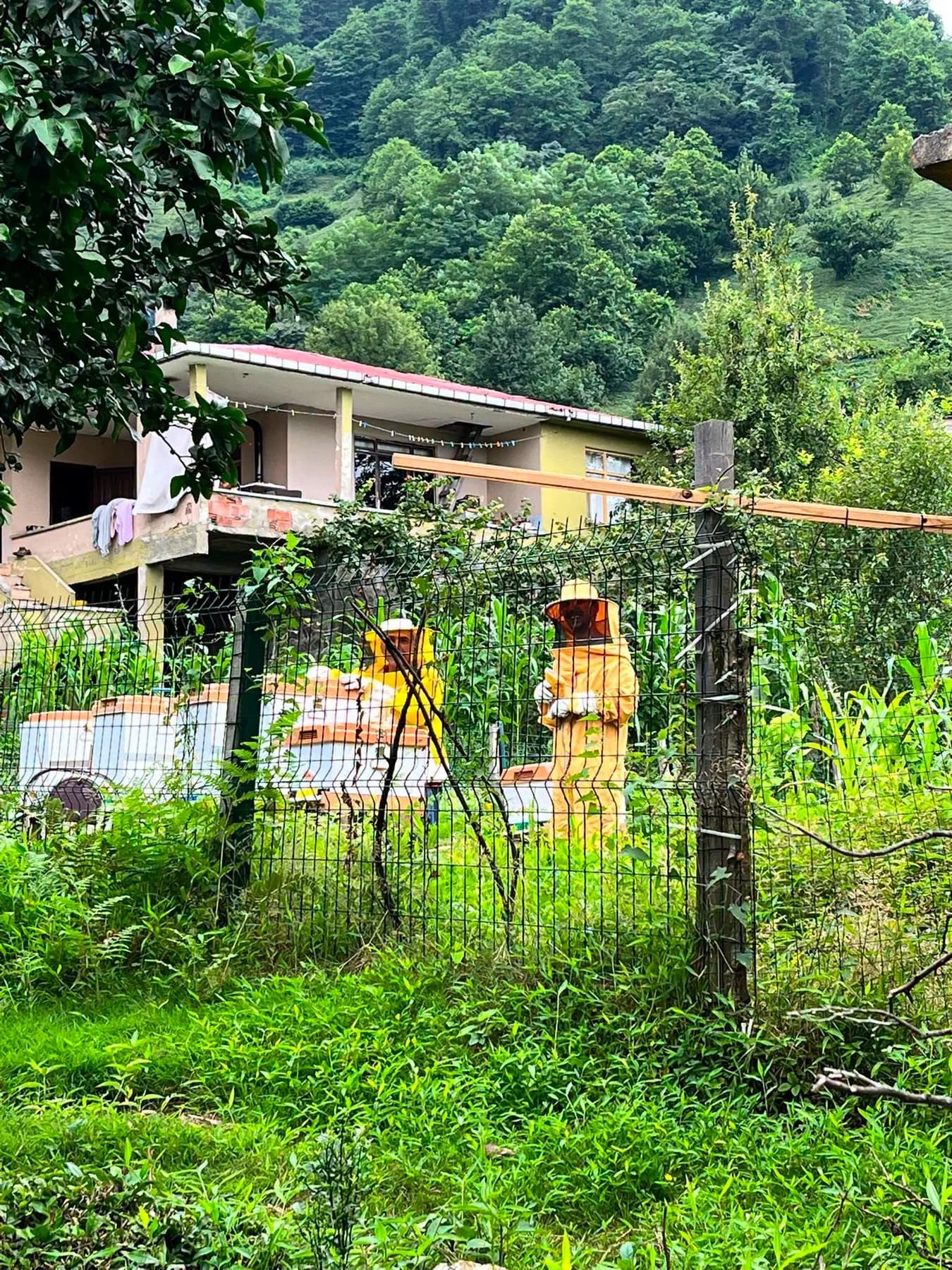
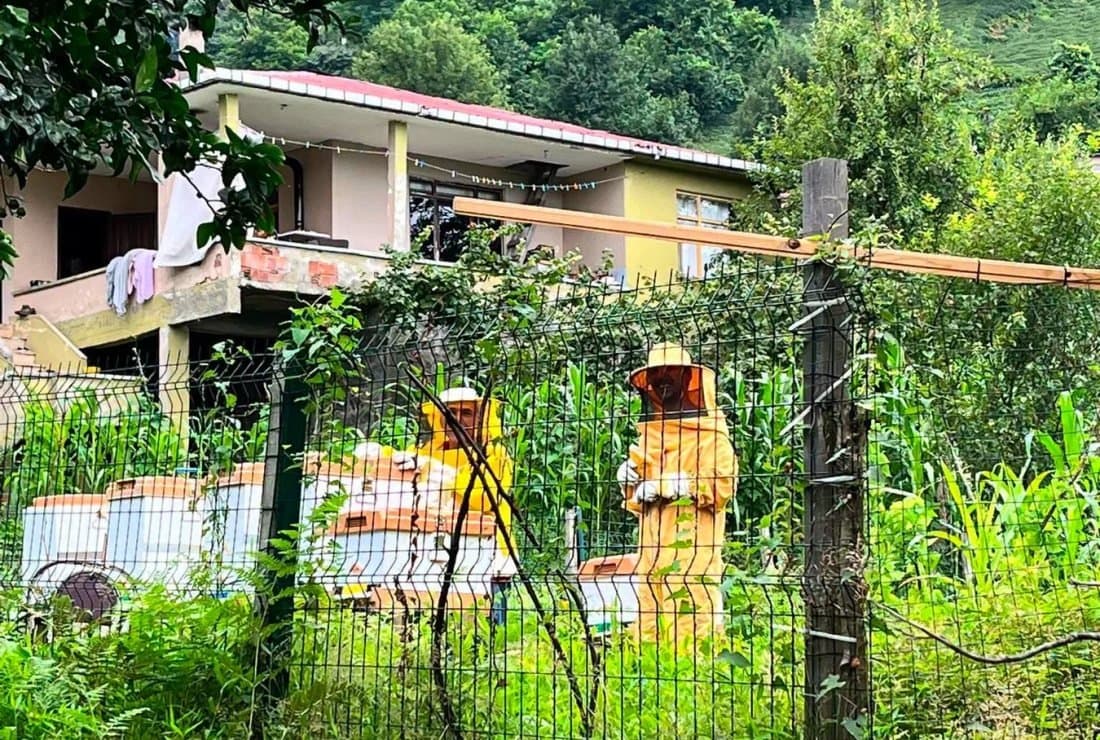
Makriyal Apiary biological field station in Osmaniye Valley, Kemalpasa
Makriyal Apiarymakriyalaricilik.com

41.48°N, 41.53°E · AKS No: 080000845618 · Osmaniye Valley

Biological Field StationSingle-Operation Live Production · ColonyOS v3.2SPEC-01 · COLONYOS-V3.2

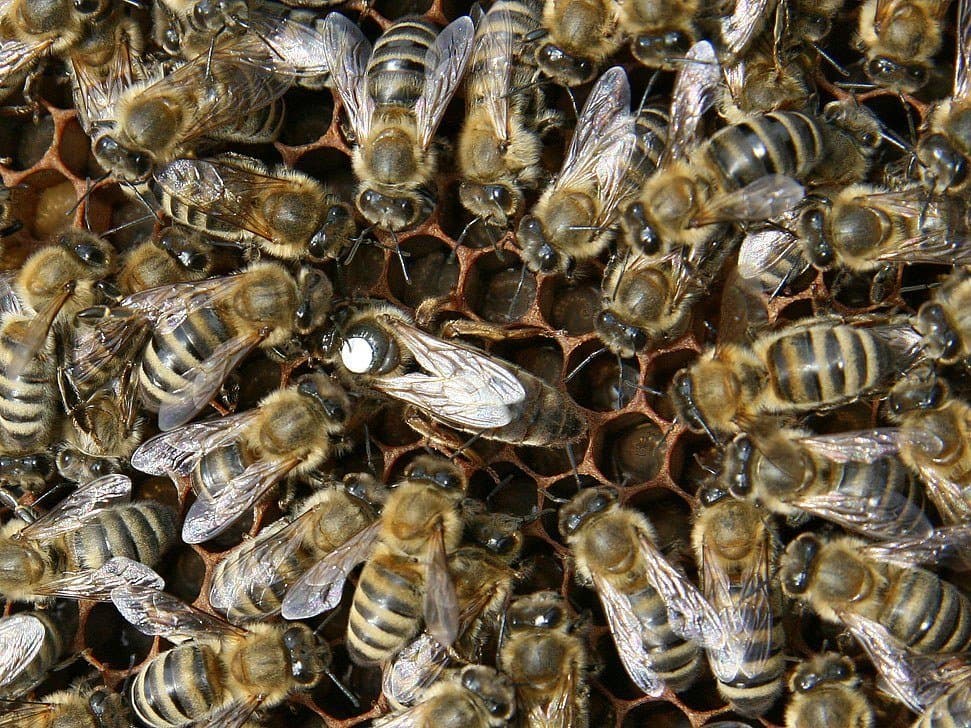
Preserving Caucasian Queen Lineage & 10-Frame Cross-Sections Through colonies ≠ hives

A 16-table relational apiary management core operating across chestnut and linden foraging belts, decoupling living bee colonies from physical wooden hive boxes.

16 TablesRelational SchemaInnoDB foreign-key constraints and immutability triggers across 7 contexts
F01–F10Biological ProfilePer-frame brood, pollen, reserve, and queen-cell checks (±0.5 frame margin)
450–1,100 mElevation BeltKarsi Kume Evleri No:48A, Osmaniye Village · Kemalpasa / Artvin

Operational Problem

When spring swarm prevention, splits, and merges moved living colonies across wooden boxes, box-keyed logs left regional Caucasian queen (Apis mellifera caucasica) history stranded on the old hardware, while defaulting rain-skipped Varroa checks to '0' created false reassurance.

Engineered Architecture

Under SPEC-01, living colonies (colonies) and wooden boxes (hives) were separated and linked via time-bounded hive_occupancies intervals, backed by append-only colony_events triggers and a 5-state (NULL, N/A, UNKNOWN, SUSPECT, VERIFIED) schema.

Field Outcome

Multi-season maternal lineage graphs (DAG), 10-frame cross-sections, and harvest lot traceability run continuously in field production, eliminating misdirected colony interventions.
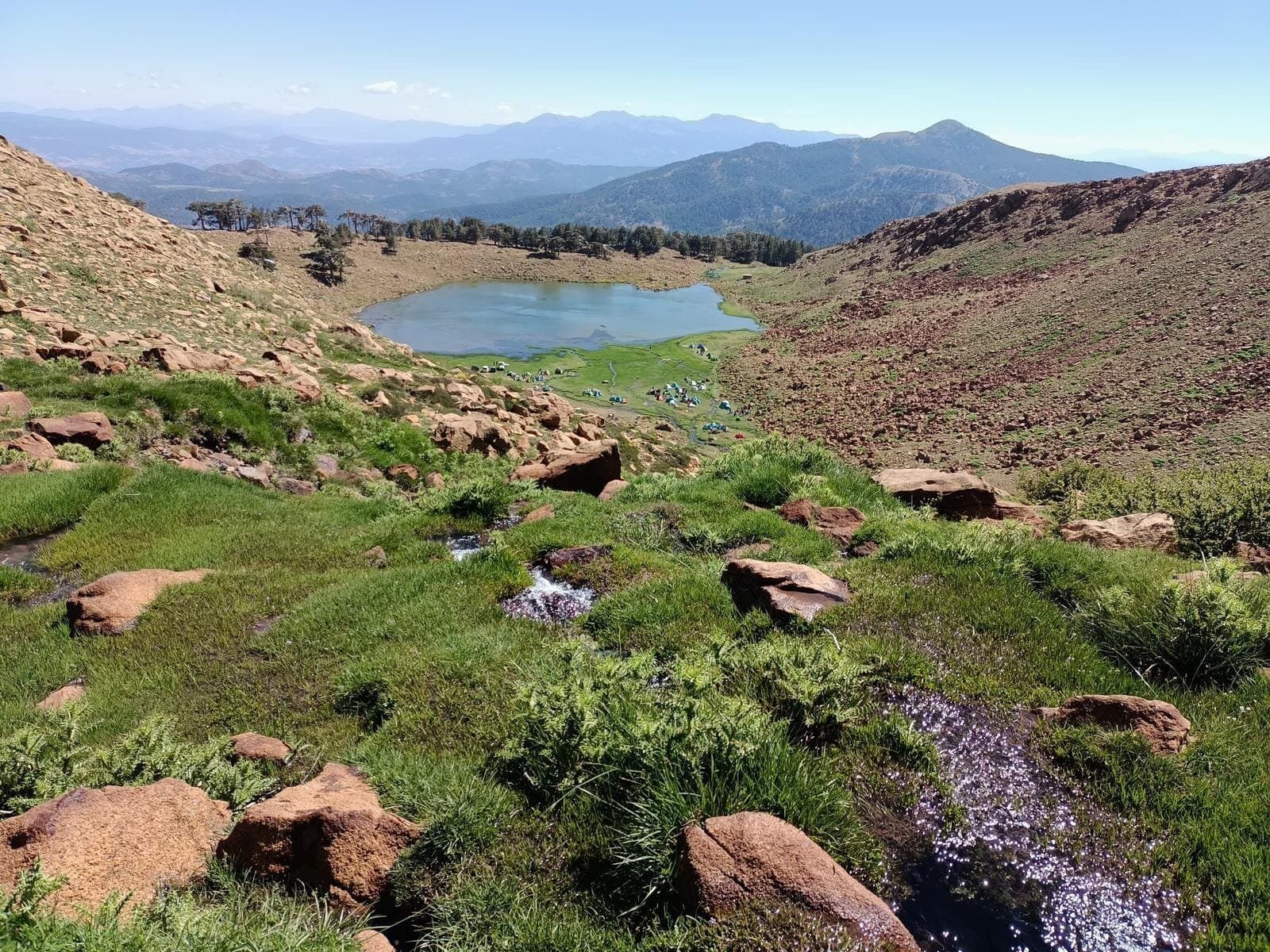
Sandras Ultra Trail high-altitude mountain race course
Sandras Ultra Trailsandrasultra.org

37.07°N, 28.84°E · 1,070–2,060 m · Mount Sandras, Koycegiz

Alpine Endurance TelemetryActive in Event Operations · Event Systems v2.4SPEC-03 · SANDRAS-TELEMETRY-V2.4

GPX Spike Quarantine Across 3,328 Points, ITRA KM-Effort Cutoffs & Athlete Compliance

Unifies course verification, checkpoint closing windows, and medical clearance state machines across five mountain race categories (70K, 50K, 24K, 10K, 5K) on Mount Sandras.

68.44 kmVerified 70K CourseExact distance across 3,328 GPS points after quarantining 19 SUSPECT spikes
+3,515 m D+Cumulative ClimbDEM-checked ascent integration between 1,070 m and 2,060 m elevation
103.59ITRA KM-EffortPhysiological cutoff benchmark computed via km + D+/100

Operational Problem

Multipath GNSS jumps inside steep canyons and pine canopy inflated cumulative climb and skewed intermediate aid-station cutoffs, while tracking medical certificates and mandatory mountain gear across spreadsheets created race-morning bottlenecks.

Engineered Architecture

Per SPEC-03, Haversine distance integration and DEM/gradient filters quarantine anomalous points as SUSPECT without deleting raw traces. Station windows lock to km + D+/100 KM-Effort, and start-list confirmation requires VERIFIED medical clearance.

Field Outcome

Weather reroutes recalculate every station window deterministically in seconds with zero formula drift; available for scoped pilot deployments with endurance organizers.

Praksis structured data and institutional delivery governance
Praksis Web Labpraksis.dev/en/studio/#inquiry

Ankara Trade Registry: 374766 · Praksis Workspace v1.4

Institutional Web & Delivery SystemsActive Institutional Practice · Portal in TransitionSPEC-04 · EPISTEMIC-DATA-V1.0

Zero-Bloat Bilingual SSR Platforms & Versioned Deliverable Sign-Off Governance

Type-safe institutional web architectures paired with the Praksis Workspace sign-off state machine to prevent scope drift and unverified releases.

100% TR/ENCompile-Time ParityStrict TypeScript dictionary contracts and symmetric hreflang routing
0 ScriptsThird-Party TrackersFast, clean SSR output with zero ad or behavioral profiling cookies
SHA-256Release DigestAppend-only stakeholder approval and revision ledger per milestone

Institutional Problem

Heavy client-side plugin stacks degrade performance and reliability, while scattering stakeholder feedback across email and chat threads obscures which build version was approved against which milestone.

Engineered Architecture

Combines strict SSR component engineering and tracker-free privacy defaults with the internal Praksis Workspace state machine sealing each milestone bundle.

Operational Outcome

While the standalone web.praksis.dev client portal completes transition, custom institutional web and systems engagements are actively delivered via /en/studio/#inquiry.

Caucasian queen bee and brood frame differential observation check
Clinical Apidology & Colony Health Atlasmakriyalaricilik.com/koloni-sagligi/

31 Modular Schemas · C01–C28 Differential Case Matrix

Open Clinical Knowledge PortalPublic & Free Access · Atlas v3.1.3SPEC-02 · APIDOLOGY-ATLAS-V3.1

Explainable Differential Observation & Veterinary Referral Gates Across 28 Case Families

A 31-module open knowledge system preventing mistimed colony interventions when comb signs overlap across 9 apidology domains.

28 CasesCase FamiliesIncludes C17/C18/C19 queen-cell and C28a/C28b starvation-pesticide splits
A01–A09Scientific DomainsPathology, nutritional biochemistry, Varroa dynamics, and foraging ecology
7 ToolsOpen CalculatorsL01–L07 decision tools exposing every input weight and uncertainty margin

Field Problem

During comb checks, single visual cues—spotty brood, queen cells, or dead bees at the entrance—can stem from opposite causes, where folklore-driven treatments harm living colonies.

Engineered Architecture

Per SPEC-02, differential prompts require seasonal, population, and brood-age context; black-box image diagnosis is rejected in favor of transparent calculators and mandatory veterinary referral alerts.

Public Outcome

Freely accessible to beekeepers and researchers while bridged directly to ColonyOS v3.2 inspection workflows.